
How Lymphatic Massage Feels During Recovery

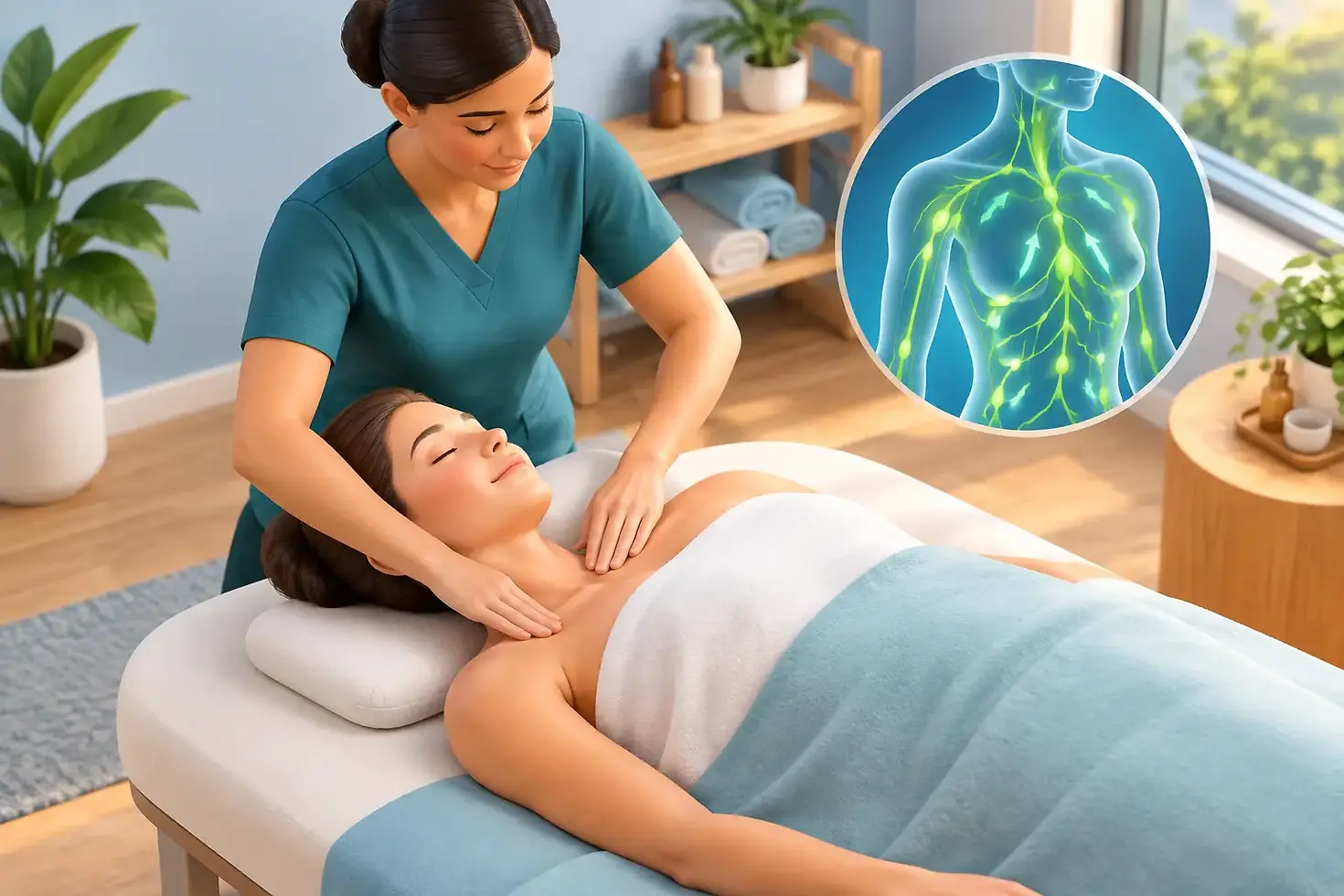
A lymphatic massage should not feel like a deep-tissue session. If you are wondering how lymphatic massage feels, the short answer is light, slow, and focused. Many clients are surprised by how gentle the touch is, especially when they are seeking help with post-operative swelling, tenderness, or a heavy, tight feeling in the body.
That gentleness is intentional. Manual lymphatic drainage uses precise, light movements to encourage the natural flow of lymph fluid near the surface of the skin. It is designed for a different purpose than massage meant to work deeply into tight muscles. During recovery, the right amount of pressure can help you feel supported without adding unnecessary discomfort to sensitive tissue.
How Lymphatic Massage Feels in the Room
Most people notice a soft, rhythmic pressure. Your therapist may use flat hands, gentle stretching motions on the skin, or slow sweeping strokes in specific areas. The work is usually calm and repetitive rather than forceful. There should not be sharp pain, intense digging, or the “good hurt” often associated with deep therapeutic massage.
You may feel a mild pulling sensation as the skin is gently moved, particularly around areas that are swollen or tight. Some clients describe it as a light brushing, a soft wave of pressure, or a gentle release. Others barely feel the individual strokes at first, then notice that the treated area feels less full, less tense, or more comfortable afterward.
The experience can vary based on why you are receiving care. A person who is generally well and seeking support for puffiness or wellness may find it deeply relaxing. Someone recovering from surgery may be more sensitive, especially near the procedure area. In that setting, the therapist should pace the session around your comfort, healing stage, surgeon’s instructions, and provider guidance.
It Is Gentle, But It Is Still Targeted
Light pressure does not mean unfocused pressure. Lymphatic work follows the body’s lymph pathways and is performed with purpose. Your therapist may begin in areas away from the surgical site or swollen area to support drainage pathways before working closer to the area of concern.
This can feel different from what you expected if you came in hoping for direct pressure exactly where you feel swollen. In post-operative care, working too aggressively or too soon can be uncomfortable and may not be appropriate. A measured approach is often the better choice for comfort and recovery support.
Sensations You May Notice During a Session
People respond differently, but several sensations are common during or shortly after manual lymphatic drainage. You may feel very relaxed, sleepy, or surprisingly calm. Slow, repetitive touch can help the nervous system settle, which matters when pain, swelling, limited mobility, and recovery stress have kept your body on alert.
Some clients notice warmth in the skin, easier movement, or a sense that clothing feels less restrictive around the treated area. You may also hear normal stomach sounds or feel the urge to use the restroom after your session. Staying hydrated and following your therapist’s at-home care guidance can be helpful, particularly if your recovery plan includes compression garments or specific movement recommendations.
If you are post-operative, your body may feel tender before the appointment begins. Mild sensitivity around healing tissue can be expected, but the session should be adjusted if pressure becomes painful. Speak up early rather than trying to push through discomfort. Clear communication allows your therapist to modify the pace, positioning, and technique.
What Lymphatic Massage Should Not Feel Like
Lymphatic massage is not supposed to leave you bruised, sore for days, or overwhelmed by pain. It also should not feel like strong kneading directly over a fresh surgical area. A therapist may use more therapeutic massage techniques elsewhere in the body when appropriate, such as to ease protective muscle tension in the neck, back, hips, or legs, but that is distinct from manual lymphatic drainage.
A little tenderness may occur if you already have swelling or sensitivity, yet worsening pain is a reason to pause and communicate. Contact your surgeon or medical provider promptly if you experience concerning symptoms such as fever, unusual redness or heat, rapidly increasing swelling, drainage from an incision, shortness of breath, chest pain, or calf pain. Massage is supportive care, not a replacement for medical evaluation.
Lymphatic work may also need to be postponed or cleared by a provider in certain situations, including active infection, suspected blood clot, uncontrolled heart or kidney concerns, or complications following surgery. A responsible therapist will ask about your health history, procedure details, healing timeline, and provider instructions before beginning care.
How You May Feel After Lymphatic Massage
Many clients leave feeling lighter, calmer, and less restricted. The change may be subtle after one session, particularly when swelling has been present for some time. With post-operative recovery, progress often happens over a series of appropriately timed sessions rather than one intense appointment.
You might feel pleasantly tired afterward. That does not mean the session was too much. Your body may simply be responding to a period of rest and reduced tension. Give yourself room to move slowly, drink water, wear your recommended compression if applicable, and avoid treating the appointment as a reason to overdo activity the same day.
Others feel an immediate improvement in comfort or mobility, then notice normal fluctuations as the day goes on. Swelling can be influenced by activity level, sleep, hydration, time spent sitting or standing, and the stage of healing. That is why consistent therapist check-ins and a personalized plan can be valuable during recovery.
Results Depend on Timing and the Right Plan
The way lymphatic massage feels is closely connected to timing. Early recovery may call for very gentle, shorter sessions and careful positioning. Later, once cleared by your provider, your therapist may be able to address surrounding muscle tightness and mobility limitations more directly.
A quality post-operative plan should not feel rushed or one-size-fits-all. At Integrity Health, recovery-focused sessions are paced around your comfort and provider guidance, with practical support for compression and at-home care. For some clients, a structured series helps create continuity while their body heals and needs change from week to week.
Preparing for a More Comfortable Session
Come in wearing loose, comfortable clothing and be ready to share relevant health information. If you have had surgery, bring or communicate your surgeon’s recommendations, including any restrictions, compression instructions, and clearance for massage. Do not wait until the end of the appointment to mention a new symptom or a change in pain.
During the session, let your therapist know if you are cold, anxious, uncomfortable on the table, or unsure about what is happening. Small adjustments, such as additional bolstering, a change in position, or slower pacing, can make a meaningful difference. You are not expected to tolerate discomfort to get results.
The best lymphatic massage experience often feels reassuring as much as physical. It gives your body a quiet, supported space to settle while receiving thoughtful, targeted care. Whether you are managing post-surgical swelling or simply seeking relief from a heavy, puffy feeling, gentle work and honest communication can help you move through recovery with greater comfort and confidence.


Comments